
If your property or an extension on your property has been built without the necessary planning permission, there is a high chance that a mortgage will be rejected by the banks. This could involve anything from an extension on a property, new doors, windows, wiring, or even a new boiler.
One of the many barriers that stand in the way of selling your property is whether or not your buyer can get a mortgage on the property. When you go through the traditional process of utilising estate agents or auction houses, an unmortgageable property is a huge and often immovable roadblock that will always halt the sale completely.
There are countless issues that will render a property unmortgageable, from rot to structural defects and more. If you have even one of these issues, it can feel like you’re never going to sell your property. You could have just one of these issues, or all of them at once (if you’re that unlucky).
Fortunately, we buy properties in all kinds of conditions – it doesn’t matter to us. Educate yourself on the many causes of unmortgageable properties and know that, if your property has one of these issues, you’re not at a dead-end. We can help! Selling an unmortgageable house feels impossible, but with us you could have the money in your bank within 30 days.
Reasons why a property is unmortgageable
What makes a house habitable for mortgage in the UK varies from issue to issue (as some lenders will take on mortgages with very minor issues). Here are the main and most common reasons why a property may be unmortgageable.
The property has been built without planning permission

Extensions are often built without consulting the local council authority and, as such, mortgage requests are then denied in the future. Without building regulations approval or a certificate of compliance, a lender is more than likely to say no.
You are selling a leasehold property with a short lease (under 70 years)
As the banks are thinking about the long-term security of their investment, most will not offer mortgages for leasehold properties with short leases. The lease will simply be considered too short, and more long-term options will be chosen.
Your property is considered too low-value
This can be seen as an additional point to the above. Most lenders will not offer mortgages of less than around £40,000 (sometimes up to £50,000). Properties worth less than this are not usually mortgaged.
Your property has a history of flooding or subsidence
Properties that have a demonstrable history of flooding or subsidence (a gradual collapse/caving in of land) will not be accepted by lenders because they’re simply too high-risk.
Your property has severe damp and/or rot damage
Likewise, a history of severe damp, dry or wet rot damage is a big no-no to lenders. These are considered significant structural defects which pose too high a risk.
The area around your property has a Japanese knotweed problem
Perhaps one of the lesser-known causes for a property being labelled unmortgageable is Japanese knotweed, a particularly aggressive and invasive weed which grows up and through concrete, tarmac, and even drains. Countless lenders have been known to reject mortgage appeals because of the presence of Japanese knotweed because of the structural damage it can cause.
Your property is a result of non-standard construction
As progressive as some developments may be, lenders often reject mortgages if the property in question is not constructed from brick or stone and with a slate or tile roof. There are many materials that are non-standard, and if a property is solely made up of these materials then lenders may well reject.
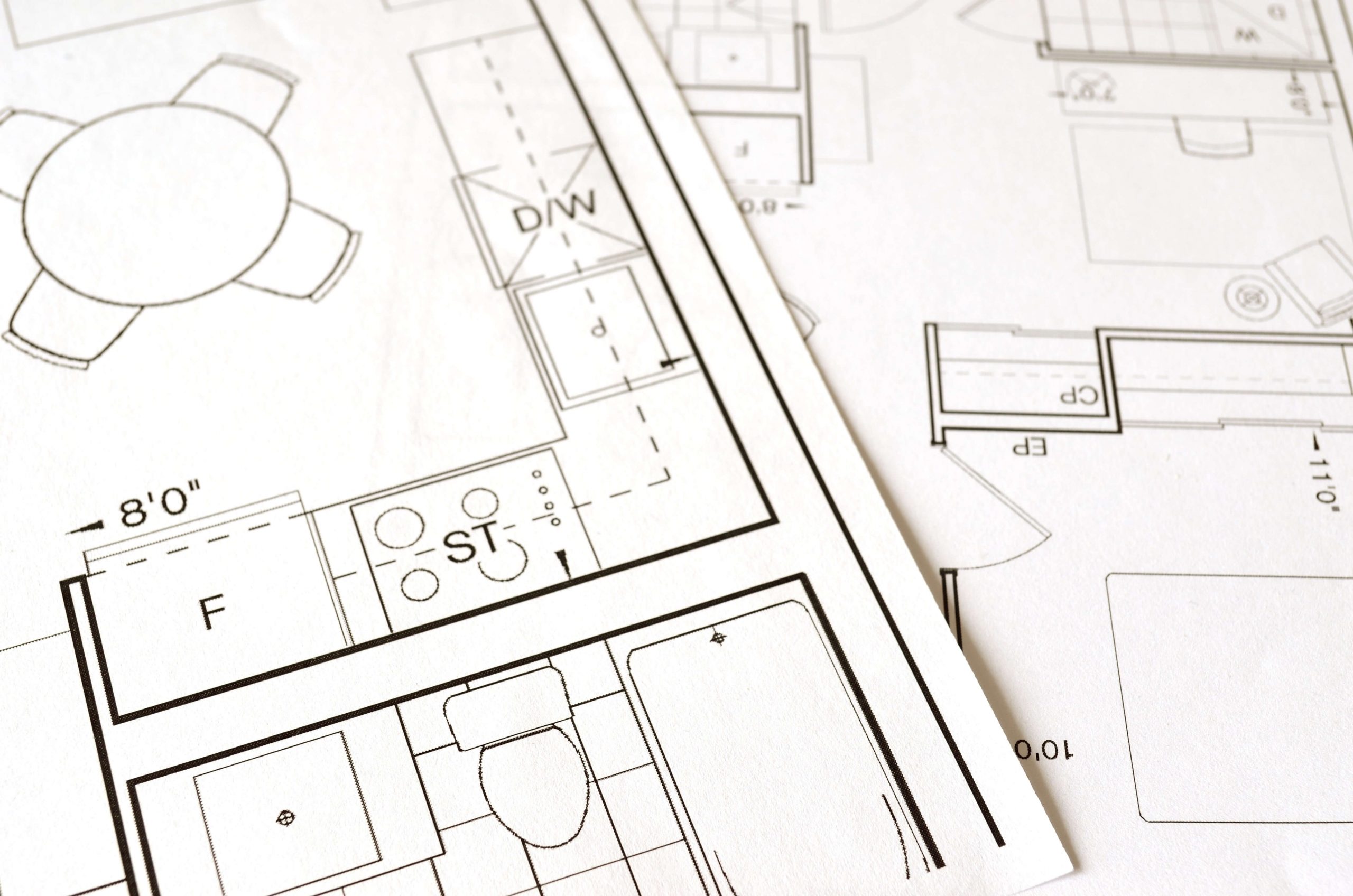
Non-standard construction materials include: thatched buildings, timber, cob, corrugated iron, concrete and more. After the Grenfell tragedy, it has been announced that properties with certain types of cladding on the exterior are also unmortgageable.
Your property has a historic structural problem
There are so many causes of structural issues, but here are some of the most common: subsidence, wall tie failure, lack of damp proofing, and severe/worsening cracks in the ceiling.
Your property doesn’t have a kitchen or bathroom
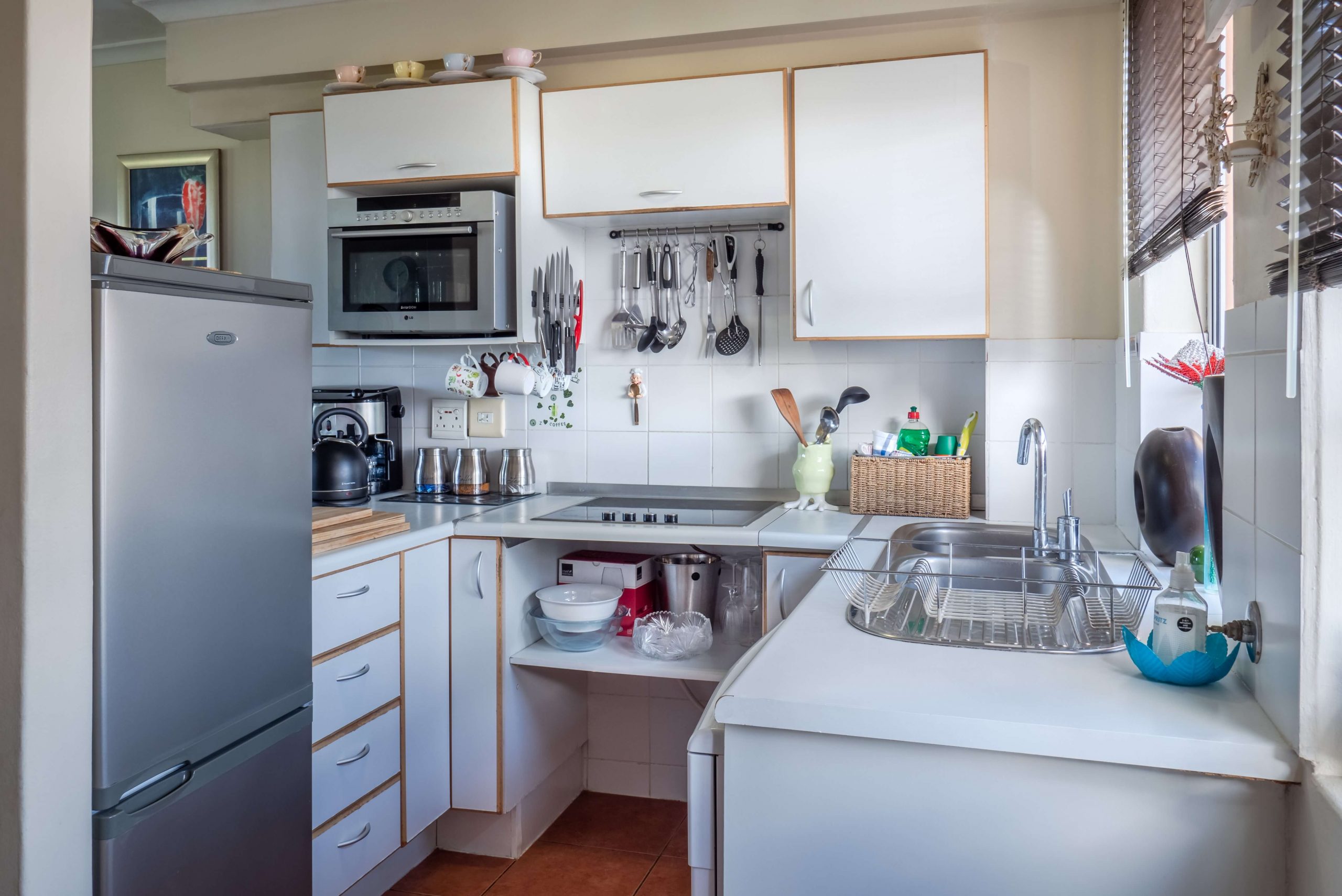
A kitchen or bathroom are two basic essentials that a property must have to be adequately sufficient for lenders.
Your property is basically uninhabitable
If your property is, for example, derelict, then a buyer will not get a mortgage for it. If it’s in such poor condition that perhaps it’s past repair then, again, lenders will reject it.
Your property has ongoing development plans nearby
In the event that there is major development work going on nearby your property (like the building of new roads, railways etc) then more often than not a mortgage request will be rejected.
There are restrictive covenants that apply to your property
Most lenders will reject mortgage applications if, say, there is an agricultural occupancy clause limiting occupancy to agricultural workers only. Perhaps your property has an age restrictive clause for over 50s (e.g it’s a retirement community).
You should check with your solicitor if you think this applies to you.
Your property is affected by severely escalating ground rents
If the ground rent is, for example, hundreds or thousands of pounds a year, then this could negatively influence mortgageability (especially if it has risen sharply every 10 to 20 years).
If your property has never been registered with the Land Registry
Lenders will not offer a mortgage until it has been proven that the property is registered with the Land Registry.
Your property is a high-rise flat (or is over five storeys)
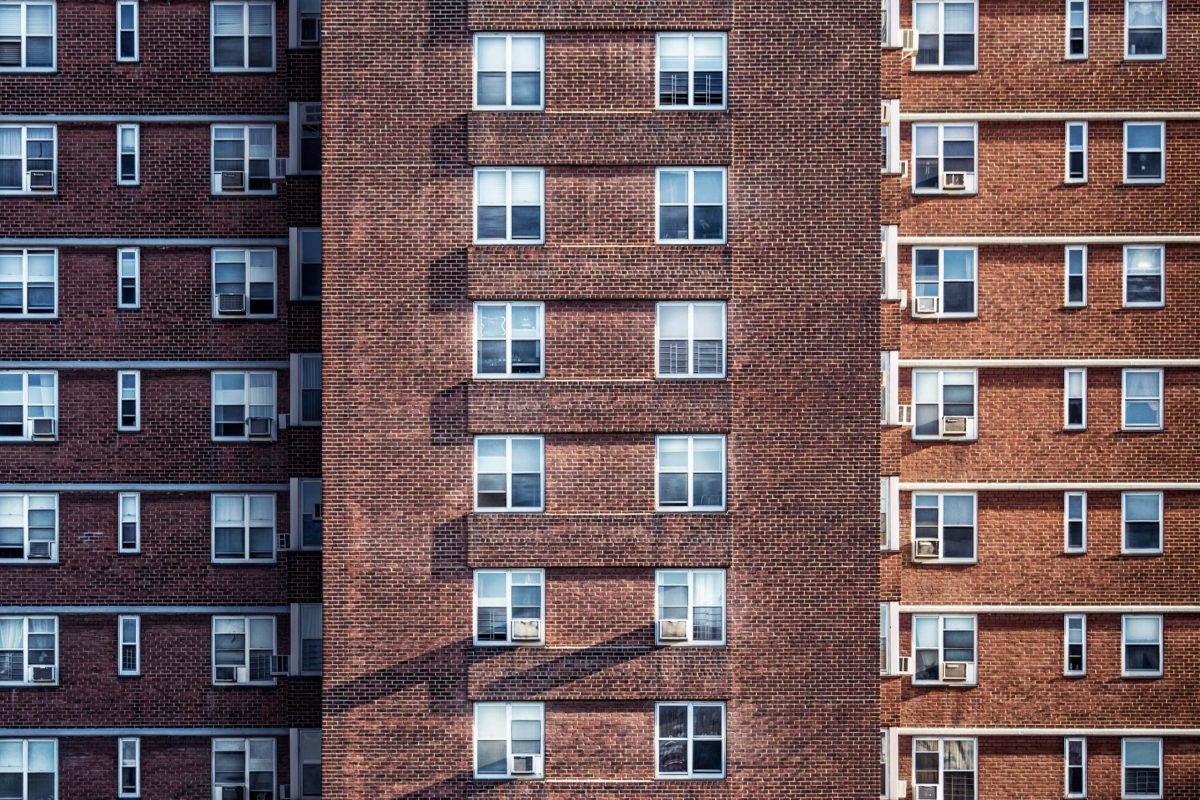
Lenders have been known to reject mortgage applications if the property in question is a high-rise flat.
Your property is commercial (or even part commercial)
For example, your property is above or next to a shop or office – a standard mortgage won’t usually be available.
Remember that the above issues do not apply with NWIUK – we
can still help to secure your sale!
What to do with an unmortgageable property in the UK
We are trusted local investors with a strong property portfolio across the North West, and we buy residential and commercial properties no matter the condition they’re in.
If you have been failed by the usual avenues and you are stuck with a property that you can’t sell, get in touch with us. The above issues can burden any property, and just one of them can pose several significant barriers to your sale.
Take a look at the kinds of properties we buy. If you have a vacant office, a pub, a flat, terraced houses or even a six-bed semi, we are able to make you an offer in just one day and get you a sale in 30 days. There are no agent fees, no delays, and no stress.